Best Exercise Mats for Home Workouts in 2026: Thick, Folding and Large Picks
The right exercise mat depends on your floor and your workout. These are the thick, folding and large mats we recommend for training at home in a small space.
 By Jordan Hayes
Updated November 5, 2026
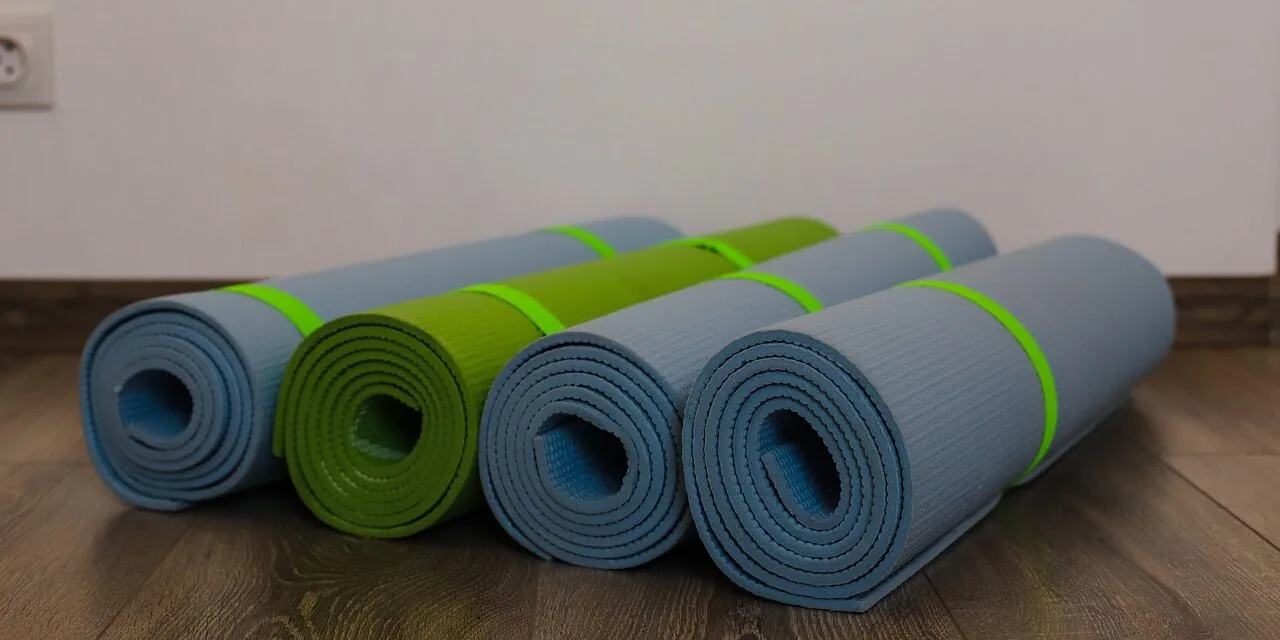
An exercise mat is usually the first thing people buy for working out at home, and it is easy to get wrong. A mat that is perfect for stretching on carpet can feel unstable for planks on hardwood, and a thin yoga mat will not stand up to jump rope in sneakers.
We compared seven exercise mats for home workouts in small spaces, from light roll-up mats to thick folding pads and large mats you can train on with shoes. Each one was judged on the same criteria and scored with the CGG Score.
Safety note: this guide is general product information, not medical or fitness advice. Talk with a doctor before starting a new exercise routine, and follow each manufacturer’s weight limit and setup instructions. See our health and safety policy.
| Award | Product | CGG Score About CGG ScoreThe CGG Score is a 0 to 10 rating calculated from each product's average Amazon customer rating, scaled so a 3.0 rating equals 6.2 and a 5.0 rating equals 9.4. Affiliate commissions never affect it. Learn more › | |
|---|---|---|---|
| Best Overall |
 BalanceFrom 1-Inch Extra Thick Exercise Mat |
8.9/10 | Buy |
| Best Budget |
 Gaiam Thick Exercise and Yoga Mat |
8.8/10 | Buy |
| Best Value |
 BalanceFrom 2-Inch Folding Exercise Mat |
8.9/10 | Buy |
| Best Premium |
 GymCope Large Exercise Mat |
8.9/10 | Buy |
 Retrospec Solana 1-Inch Exercise Mat |
8.6/10 | Buy | |
 CAMBIVO Large TPE Workout Mat |
8.4/10 | Buy | |
 Fitvids 1/2-Inch Exercise Mat |
8.6/10 | Buy |
BalanceFrom 1-Inch Extra Thick Exercise Mat
A roll-up mat with a full inch of high-density foam for floor work on hard surfaces, at a light 2.2 lb with a carry strap. The textured surface on both sides helps it stay put during stretches and core work.
Pros
- 1 inch of high-density foam
- About 71 x 24 inches
- Light at about 2.2 lb with carry strap
- Textured on both sides
Cons
- Too soft for balance-heavy standing poses
- Thick roll takes more closet space
Gaiam Thick Exercise and Yoga Mat
A 10 mm NBR foam mat that balances cushioning with a lower profile than inch-thick mats. It rolls up quickly and suits stretching, Pilates and general floor workouts on wood, tile or concrete.
Pros
- 10 mm cushioning, firmer than 1-inch mats
- Light at about 2 lb
- Easy-cinch carry strap
- Wipes clean with a damp cloth
Cons
- Softer feel can wobble in standing poses
- May have a foam odor at first
BalanceFrom 2-Inch Folding Exercise Mat
A three-panel folding mat with 2 inches of padding and a wipe-clean vinyl cover. It folds to about 2 x 2 feet with handles, and hook-and-loop edges let you join several mats into a larger area.
Pros
- 2 inches of padding
- Folds to about 2 x 2 feet with handles
- Vinyl cover wipes clean
- Joins with other mats
Cons
- Too thick for yoga balance work
- Folding seams under knees and hands
GymCope Large Exercise Mat
A large, heavy-duty PVC mat about 6 x 4 feet and 7 mm thick, built for cardio, jump rope and bodyweight work with shoes on. It rolls up with straps and a bag, and larger sizes are listed for bigger rooms.
Pros
- About 6 x 4 feet of workout space
- 7 mm high-density PVC
- Suited to training with shoes on
- Straps, bag and towel included
Cons
- About 13 lb, heavy to roll and carry
- Firmer than foam mats for floor stretching
Retrospec Solana 1-Inch Exercise Mat
A firm, inch-thick foam mat at 72 x 24 inches with a nylon strap. It is free of phthalates, heavy metals and latex according to the brand, and cleans with mild soap and water.
Pros
- 1 inch thick, 72 x 24 inches
- Free of phthalates and latex per the brand
- Nylon carrying strap
- About 2.2 lb
Cons
- May release an odor when new
- Thick roll for small closets
CAMBIVO Large TPE Workout Mat
A 6 x 4 foot TPE mat with a textured top and a wavy underside that grips hard floors. The large surface leaves room for full stretches and bodyweight moves without stepping off the edge.
Pros
- About 72 x 48 inches
- Textured TPE grips hard floors
- Straps, bag and towel included
- Several thickness options listed
Cons
- Thinner 6 mm base version cushions less
- Bulky to store in small rooms
Fitvids 1/2-Inch Exercise Mat
A simple half-inch high-density foam mat at 71 x 24 inches with non-slip texture on both sides and a free strap. At about 1.8 lb, it is the lightest pick here.
Pros
- 1/2 inch high-density foam
- Light at about 1.8 lb
- Non-slip texture on both sides
- Strap included
Cons
- Less cushioning than 1-inch mats
- Thickness is listed inconsistently
How We Picked These Exercise Mats
We started from exercise mats sold on Amazon with a large base of verified owner ratings, then compared them on the factors that decide how a mat performs in a home:
- Thickness and firmness: from about 7 mm to 2 inches in this group, and how firm the foam is.
- Size: standard 6 x 2 foot mats versus large 6 x 4 foot mats.
- Material: NBR foam, TPE, PVC and vinyl-covered foam, which differ in grip, smell and durability.
- Grip: surface texture on top and bottom for hard floors.
- Storage: weight, whether it rolls or folds, and what straps or bags come with it.
- Care: how the brand says to clean it.
Specifications come from each listing and manufacturer information. Our full method is on the How We Review page.
Exercise Mats Buying Guide
Match Thickness to Your Workout
Thin, firm mats around 6 to 10 mm give the most stable base for standing poses, planks and balance work. Thicker mats, from half an inch to an inch, add comfort for kneeling, crunches and stretching on hard floors, but they feel springy when you stand on one leg.
Folding mats around 2 inches thick are closer to gymnastics pads. They are useful for floor exercises and rolling movements, but too soft for most yoga or standing strength work.
Shoes On or Shoes Off
Most foam yoga-style mats are designed for bare feet and can tear under sneakers during jumping or lateral moves. If you plan to do cardio, jump rope or bodyweight circuits in shoes, choose a dense PVC or rubber-style mat, like the GymCope in this guide.
Size and Your Floor Space
A standard mat is roughly 6 feet long and 2 feet wide, which fits most floor routines for one person. A 6 x 4 foot mat gives room to step side to side and stretch fully, but it needs a clear patch of floor and more storage space.
Measure the open floor in the room you will use before you choose a large mat, and leave space around it so you are not stepping onto furniture.
Materials and Grip
NBR foam is soft, light and inexpensive, but it compresses over time. TPE is lighter and grippier than many foams, and PVC is the most durable for heavy use. Vinyl-covered folding mats wipe clean easily and resist sweat.
Several brands note that new mats may smell at first and recommend airing them out for a day or two. If you are sensitive to odors, unroll a new mat in a ventilated room before using it.
Storage in a Small Home
Roll-up mats in this guide weigh about 2 lb and store in a closet or behind a door with their straps. Folding mats stack flat, and large mats roll up with straps but weigh more, up to about 13 lb for the GymCope.
Mats for Workouts Versus Mats for Equipment
The mats in this guide are made for your body: lying, kneeling and moving on the floor. If you need something to go under a treadmill, bike or rowing machine, look at dedicated gym flooring and equipment mats instead, which are built to carry weight and vibration.
Who Should Skip These Mats
- People setting up heavy lifting areas, who need rubber gym flooring rather than an exercise mat.
- Dedicated yoga practitioners who want a thin, sticky studio-style mat for balance; most picks here prioritize cushioning.
- Anyone without floor space to roll out a mat, since even a standard mat needs about 6 x 2 feet plus room around it.
Why You Should Trust Us
CompactGymGuide compares exercise mats for small homes using published specifications, manufacturer documentation, and patterns in verified owner feedback. Every product in this guide was judged against the same criteria, and each one carries a CGG Score, a 0 to 10 rating calculated from its average Amazon customer rating with a formula we publish on our How We Review page.
We do not conduct our own product trials; our evaluations are grounded in research, published data, and verified buyer feedback. We may earn a commission when you buy through our links, but that never changes which products we include or how they rank. Details are in our affiliate disclosure.
Final Thoughts
For most home workouts on hard floors, a light, inch-thick foam mat is the most comfortable starting point. Choose a large, dense mat if you train in shoes, and a folding pad if you want extra cushioning for floor exercises.
- Best Overall: BalanceFrom 1-Inch Extra Thick Exercise Mat, tied for the highest rating here, with an inch of high-density foam in a light roll-up mat.
- Best Premium (for Cardio in Shoes): GymCope Large Exercise Mat, a dense 6 x 4 foot PVC mat built for jump rope and circuits.
- Best Value (Folding): BalanceFrom 2-Inch Folding Exercise Mat, with 2 inches of padding that folds into a 2 x 2 foot stack.
- Best Extra-Large Barefoot Mat: CAMBIVO Large TPE Workout Mat, which gives room for full stretches on hard floors.
- Best Budget: Gaiam Thick Exercise and Yoga Mat, a well-rated 10 mm mat that stays firmer underfoot than inch-thick foam.
See more in our exercise mats section, or browse other accessories and recovery gear for small home gyms.
Frequently Asked Questions
How thick should an exercise mat be for home workouts?
For floor work on hard floors, half an inch to an inch is comfortable for most people. Choose a thinner, firmer mat around 6 to 10 mm if you do standing poses or balance work, and a dense mat if you train in shoes.
Can I use an exercise mat on carpet?
Yes. A firmer mat works better on carpet, because a soft mat on top of soft carpet can feel unstable. Large, dense mats also help keep carpet clean during workouts.
Can I wear shoes on an exercise mat?
Only on mats designed for it. Foam yoga-style mats can tear under shoes, while dense PVC mats like the GymCope are made for jumping and cardio in sneakers.
How do I clean an exercise mat?
Most brands in this guide recommend wiping the mat with a damp cloth or mild soap and water, then letting it dry fully before rolling it up. Avoid soaking foam mats unless the brand says it is safe.
Why does my new exercise mat smell?
Many foam and PVC mats release an odor when new. Brands typically recommend unrolling the mat in a ventilated room for a day or two, after which the smell usually fades.
About the author
Jordan Hayes is an editor at CompactGymGuide covering home gym equipment for small spaces, from folding cardio machines to adjustable weights. He researches product specifications, manufacturer documentation, and verified owner feedback to build practical buying guides for people who train at home.